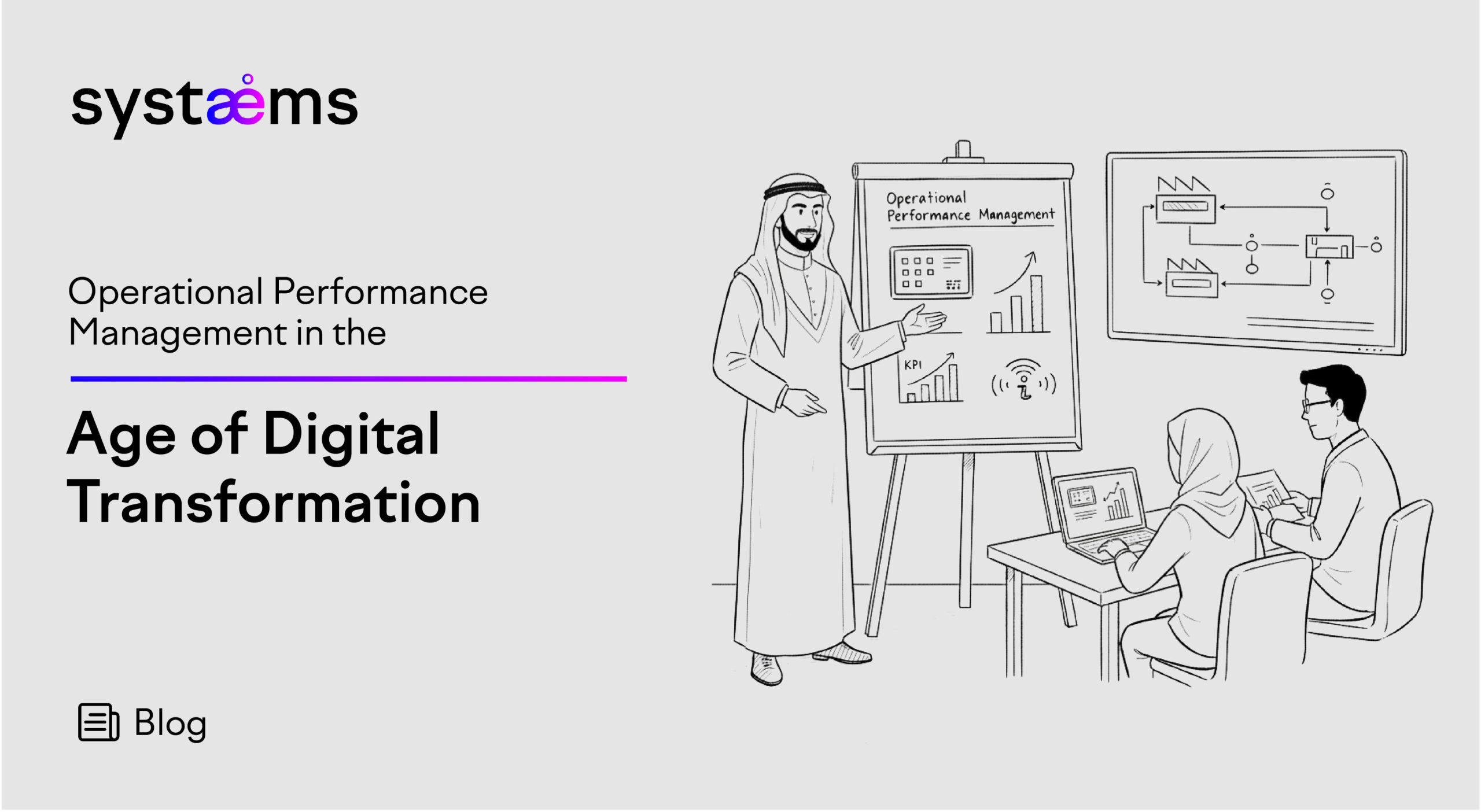
Schneider Electric’s Batam Smart Factory in Indonesia illustrates how Operational Performance Management (OPM) and digital transformation converge to deliver precise, measurable results. Facing increasing complexity, global competition, and a need to link operations with strategy more closely, Schneider Electric undertook a comprehensive digitisation of its Batam facility.
At the core of this transformation was the integration of IoT-enabled sensors, edge computing, and the AVEVA industrial analytics platform. These technologies connected machines, production systems, and human operators into a unified digital ecosystem.
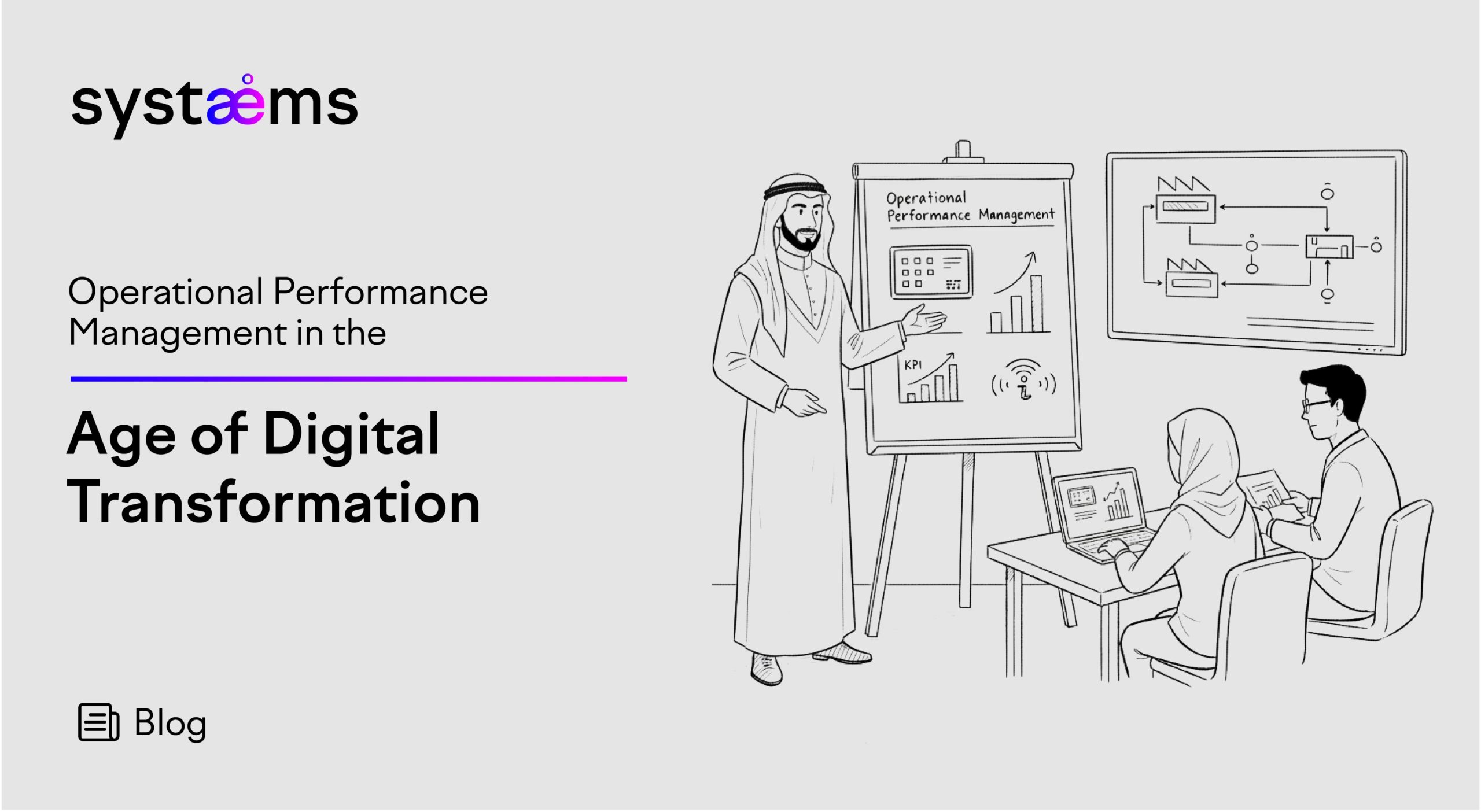
Every asset within the plant generated real-time data, which was visualized through KPI dashboards and predictive analytics tools. This aligned directly with the principles of data-driven insights and KPI design discussed earlier in this article, ensuring visibility into key operational metrics and enabling proactive decision-making.
By applying structured OPM frameworks, Schneider Electric shifted from reactive management to a proactive, performance-based culture. Maintenance teams used predictive insights to anticipate equipment issues before failures, while operations leaders optimized production schedules and resource allocation through real-time dashboards.
This integration of digital intelligence with OPM ensured that operational execution consistently aligned with strategic business goals.
The results were both significant and quantifiable. Within the first year of implementation, the Batam Smart Factory achieved measurable improvements across several key areas:
- 44% reduction in machine downtime within one year, achieved through predictive maintenance and real-time monitoring of equipment.
- 12% increase in operational efficiency via digital performance-management tools and KPI dashboards.
- 5% increase in employee engagement as a result of better visibility into performance and operational accountability.
- 40% reduction in scrap costs for critical machines, improving quality and reducing waste.
- 70% improvement in supplier service rate, enhancing supply chain reliability.
- 40% improvement in on-time delivery, ensuring operational efficiency translates into customer satisfaction.
Beyond these measurable outcomes, the transformation fostered a culture of continuous improvement and collaboration. Cross-functional teams began using shared data to identify trends, refine KPIs, and align operational results with Schneider Electric’s global sustainability and performance objectives.
This case highlights the true strength of OPM: combining structured performance frameworks with advanced digital tools. Schneider Electric’s Batam factory shows that when real-time data, predictive analytics, and KPI-driven management come together, organizations can transform operations from reactive oversight to predictive, intelligent, and strategically aligned performance.