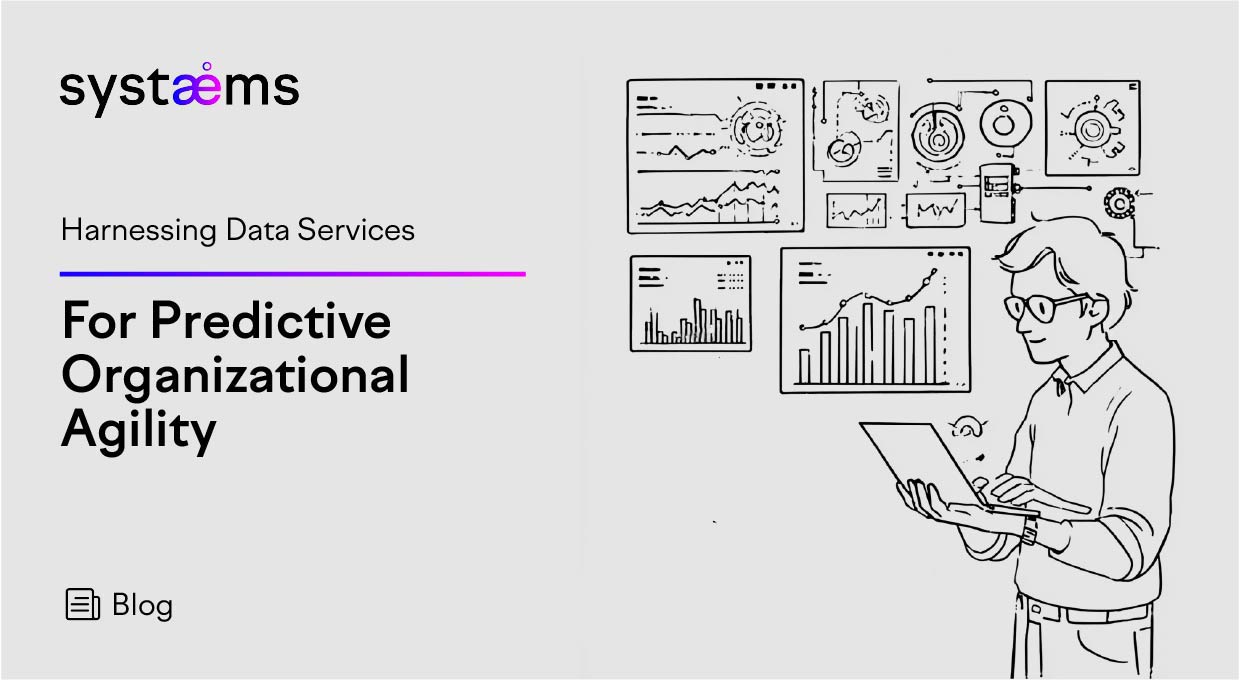
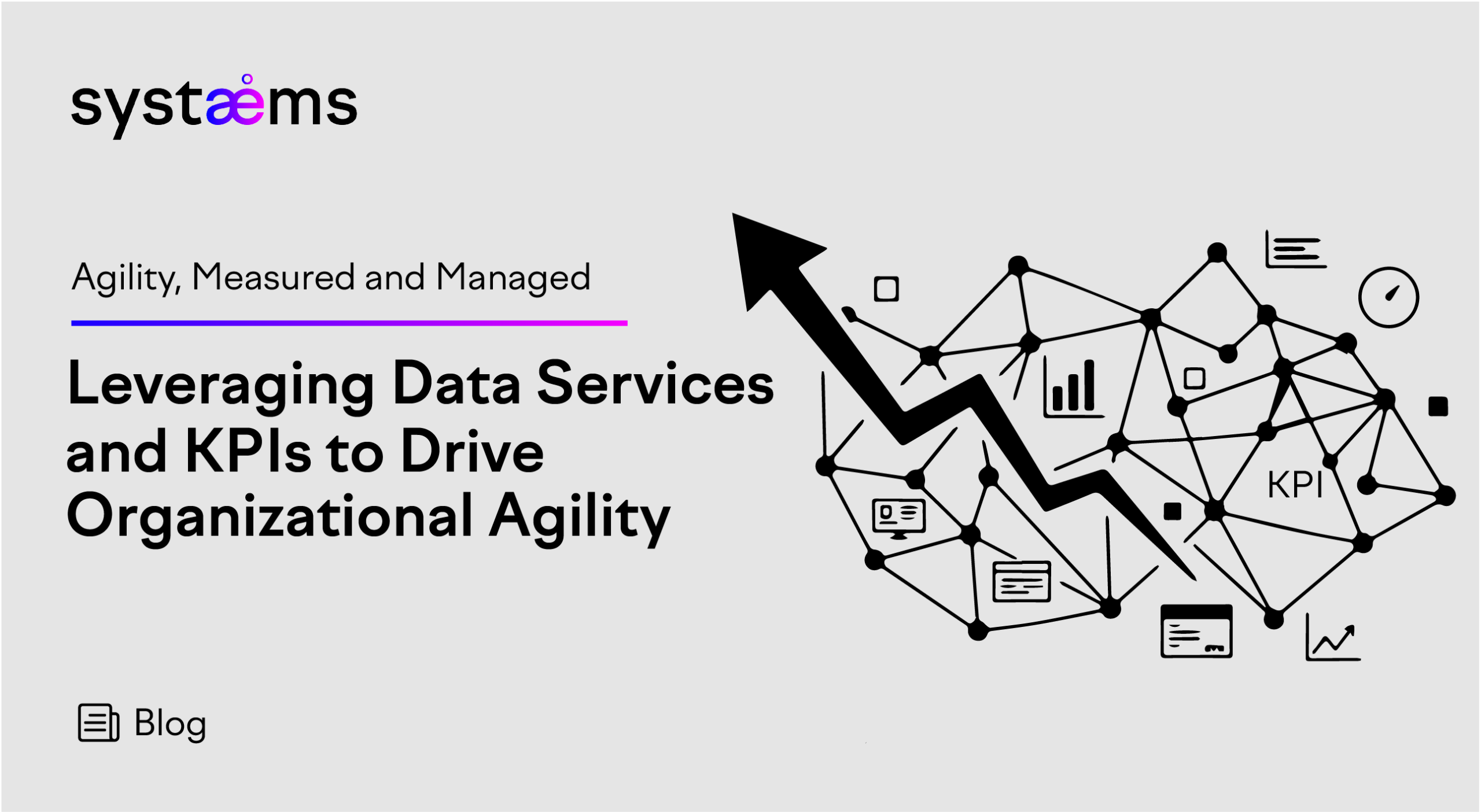
In today’s fast-paced business environment, the ability to anticipate change and respond proactively has become a critical competitive differentiator. Predictive organizational agility refers to an organization’s capacity to foresee market trends, operational bottlenecks, and emerging risks and adjust strategies before challenges materialize.
Advanced data services serve as the backbone of this predictive capability, providing reliable, structured, and actionable insights that enable leaders to make informed, real-time decisions. Organizations that leverage predictive analytics and data-driven performance measurement are better positioned to innovate, optimize operations, and achieve sustained growth.
The modern business landscape is shaped by volatility, uncertainty, complexity, and ambiguity (VUCA). Organizations that respond reactively risk missed opportunities, lost revenue, and reduced resilience. Predictive agility offers several strategic benefits:
Research shows that companies adopting predictive analytics experience 30-50% faster response times to market changes and 20-30% higher operational efficiency compared to peers relying solely on historical reporting.
Effective data services encompass the collection, validation, integration, visualization, and governance of organizational data. Key components include:
By implementing robust data services, organizations create a foundation for predictive models that guide strategy, resource allocation, and risk management. For practical implementation, Systaems Data Services offers end-to-end solutions, including advanced analytics, dashboard creation, and reporting frameworks.
Predictive analytics transforms raw data into actionable foresight. Organizations can simulate potential outcomes, evaluate risks, and determine the optimal course of action. Core applications include:
Together with Key Performance Indicators (KPIs), predictive analytics enables leaders to align short-term operational decisions with long-term strategic objectives.
Predictive agility becomes even more powerful when integrated with Balanced Scorecards (BSC) and Objectives and Key Results (OKRs).
For a detailed understanding of strategy-to-execution frameworks, explore our blog From Strategy to Execution: The Importance of Balanced Scorecards and OKRs.
UPS, a global logistics company, illustrates predictive agility in action. By leveraging predictive analytics across delivery operations, UPS anticipates traffic patterns, vehicle maintenance needs, and fluctuations in package volume. This enables real-time route optimization, reducing fuel costs and improving delivery reliability.
The implementation of predictive analytics at UPS led to:
This demonstrates how integrating data services and predictive analytics into operational workflows can enhance agility, efficiency, and customer experience.
Predictive organizational agility is a defining capability for modern businesses. By harnessing advanced data services, organizations can forecast challenges, optimize performance, and align operational execution with strategic objectives.
Real-world examples like UPS demonstrate that predictive insights not only improve operational efficiency but also drive customer satisfaction and sustainable growth. By integrating predictive analytics with KPIs, Balanced Scorecards, and OKRs, leaders can ensure that strategy translates into measurable results, agility, and competitive advantage.
For organizations seeking to enhance predictive agility, Systaems Data Services and Performance Measurement Services provide structured support to transform data into actionable foresight.
👉 Begin leveraging predictive insights to future-proof your organization and make informed, agile decisions.
Align consulting fees with results using outcome-based pricing to drive value and accountability.
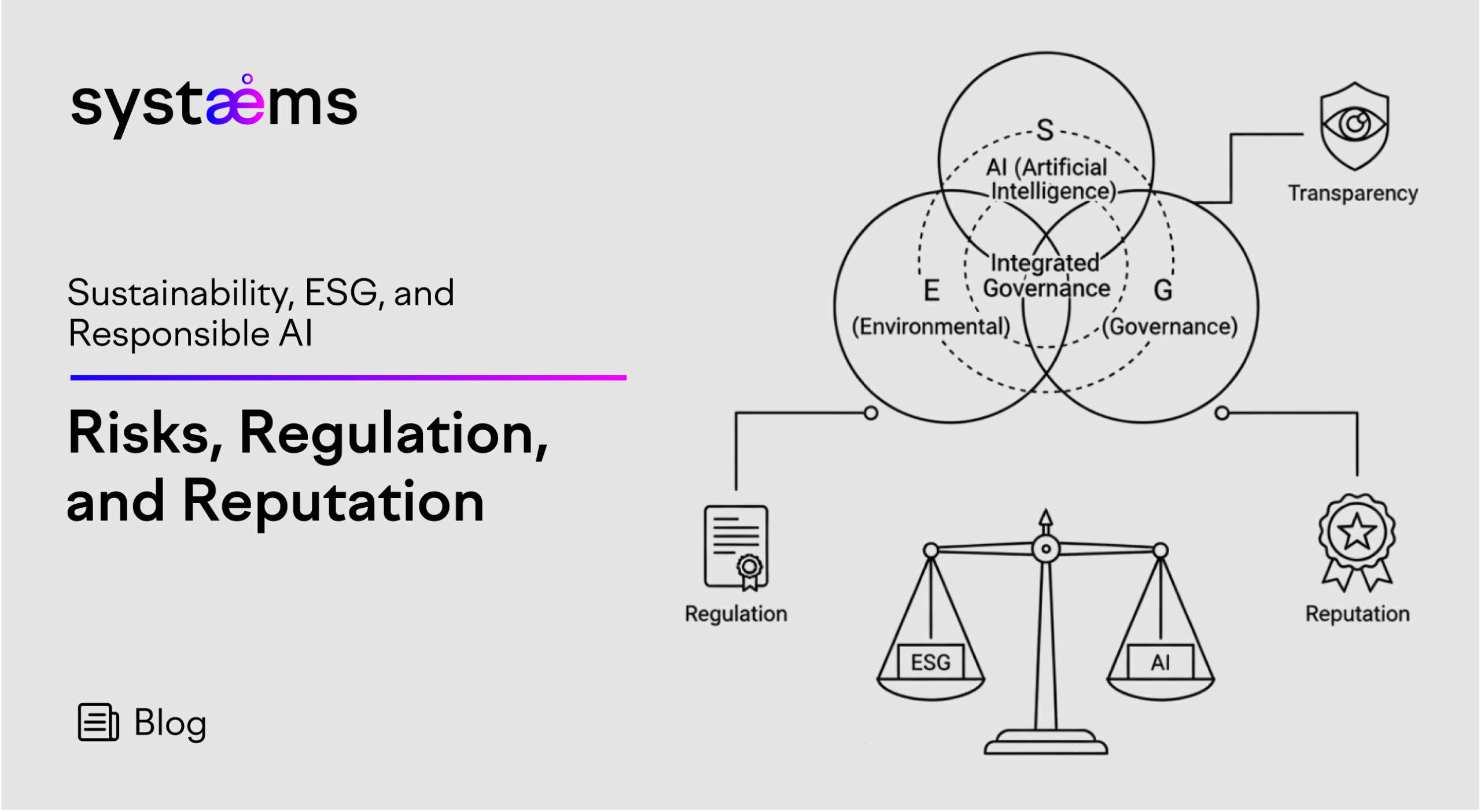
Integrate sustainability, ESG, and responsible AI into risk, compliance, and reputation strategies.
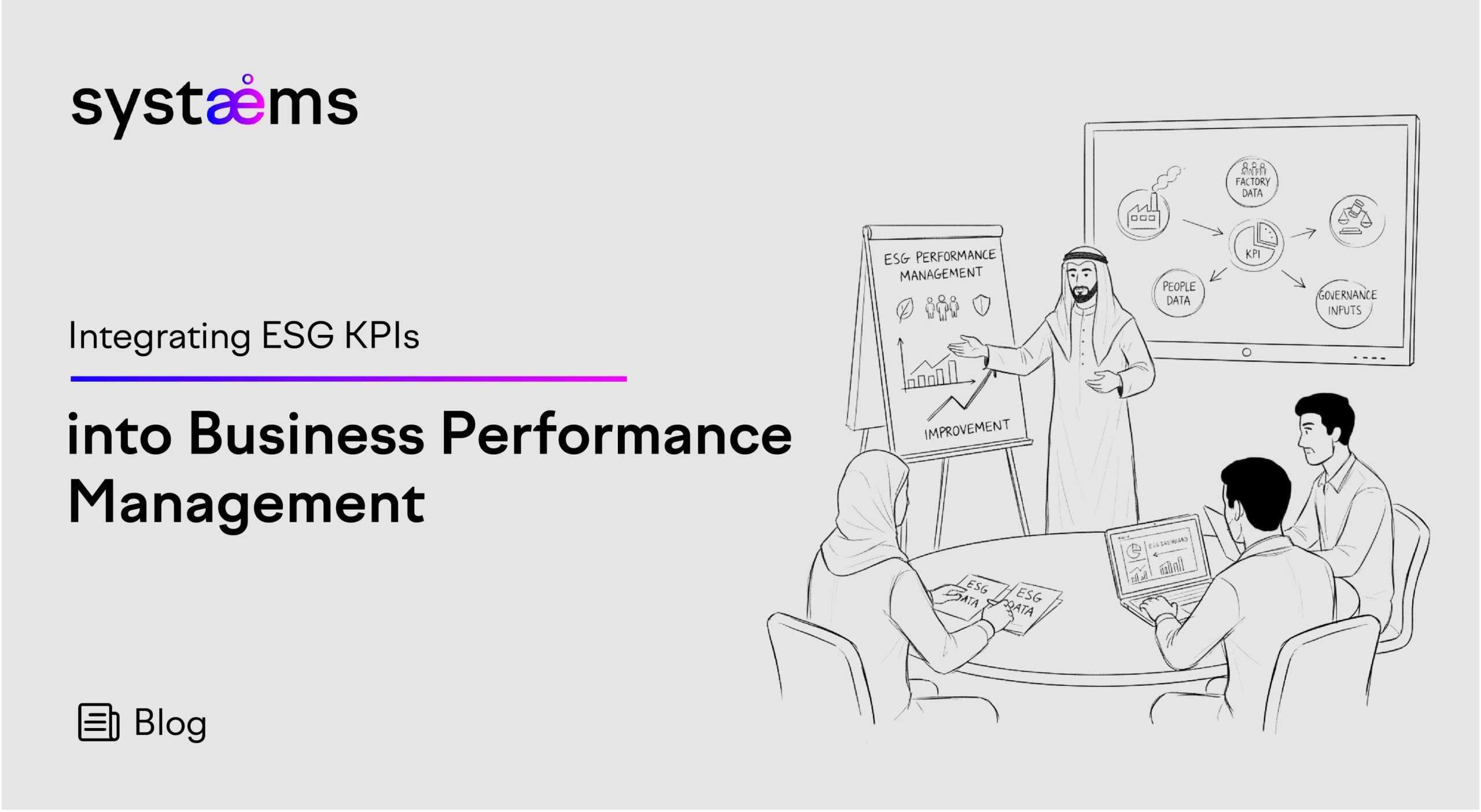
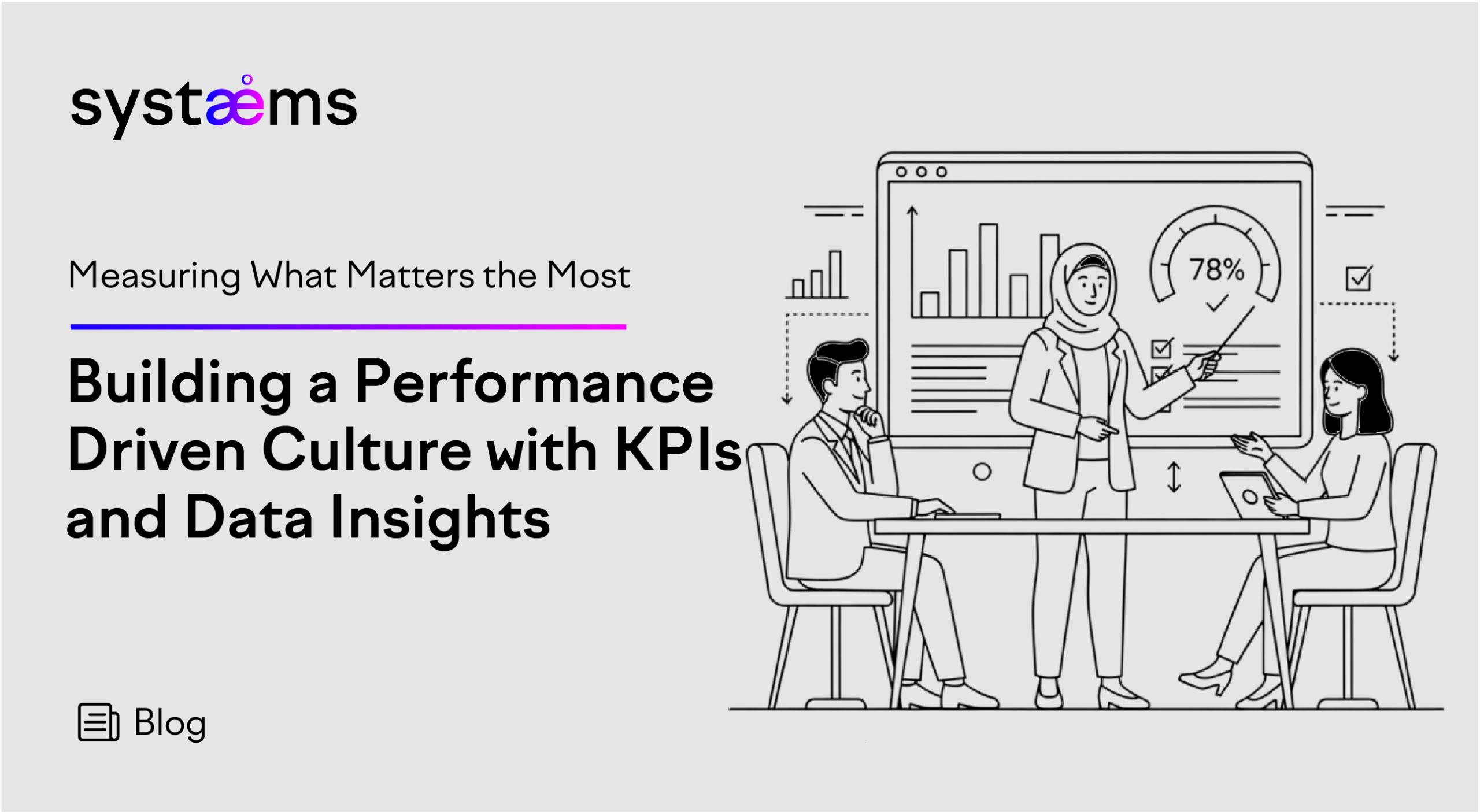
Link ESG KPIs to strategic objectives to drive measurable impact and responsible growth.