Systaems

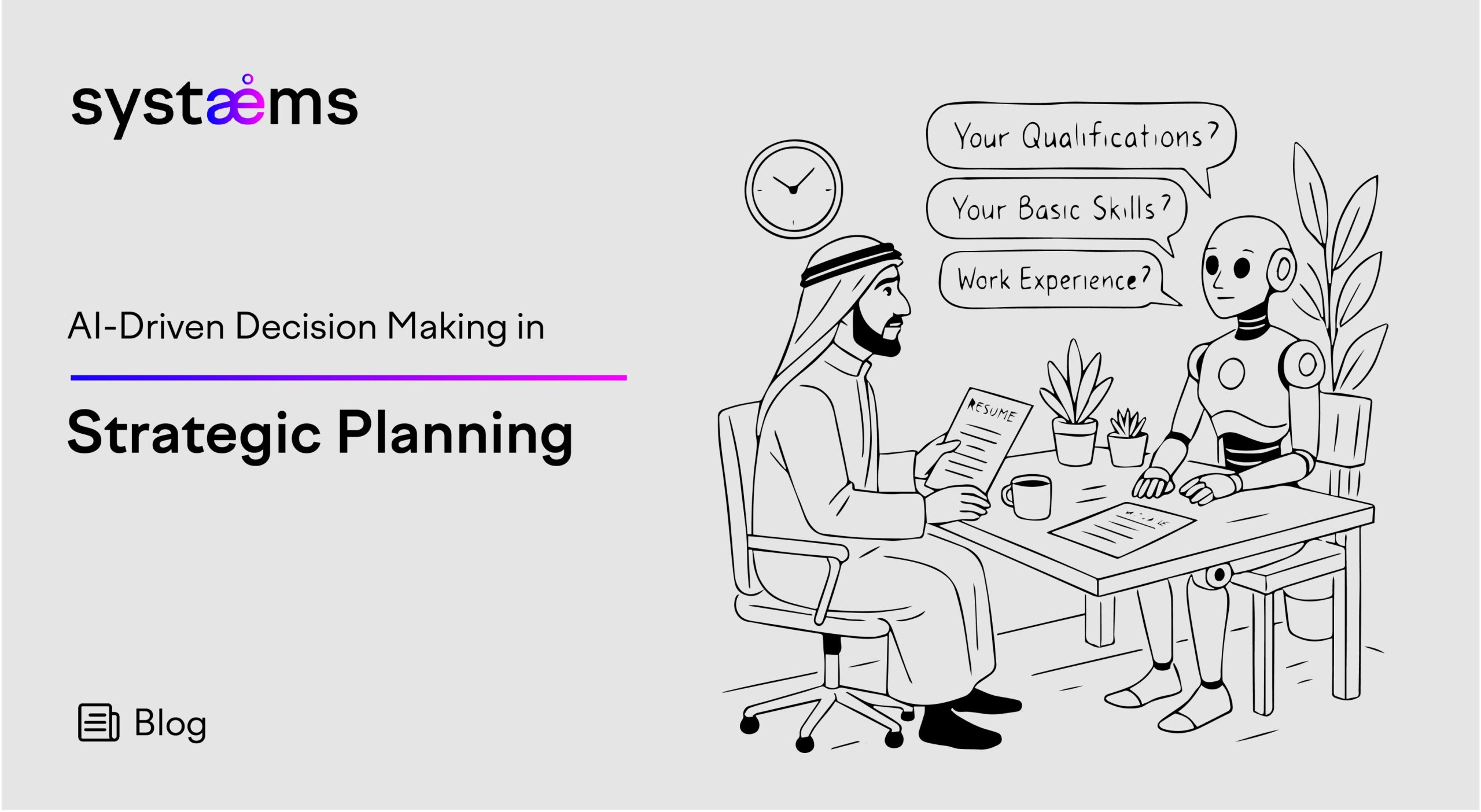
AI-Driven Decision Making in Strategic Planning

Validated by: Mohonnad Ghazo
Written by: Kavya RS
Published on: 24 Feb, 2026

On this page

    Harnessing AI for Smarter, Data-Driven Strategic Planning

    In today’s fast-paced business environment, organizations must anticipate changes, optimize resources, and make data-driven decisions to maintain a competitive edge. Artificial intelligence (AI) is rapidly becoming an essential tool for strategic planning, enabling organizations to move beyond intuition-based decisions and toward predictive, actionable insights. By integrating AI into strategic planning, companies can enhance forecasting, optimize performance management, and align operational execution with long-term goals. This article explores the benefits, implementation approaches, and best practices for AI-driven decision-making in strategic planning.

    Summary

    • AI transforms strategic planning by moving organizations from intuition-based to predictive, actionable decision-making.
    • Key AI applications include enhanced forecasting, scenario analysis, KPI optimization, and resource allocation.
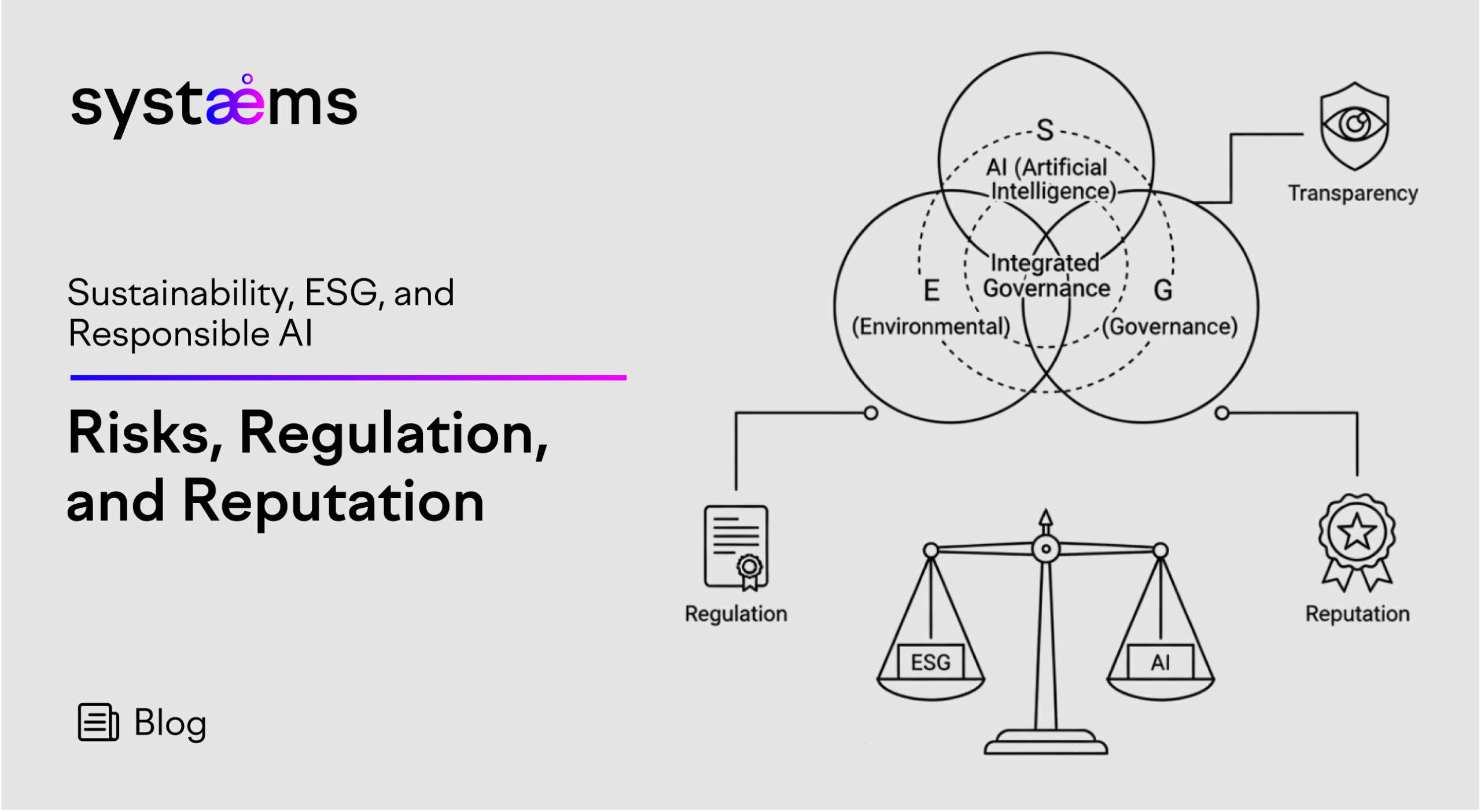
    • Integrating ESG and AI ensures environmental, social, and governance objectives are met holistically.
    • Implementation steps: define objectives, consolidate data, select tools, integrate with performance frameworks, upskill teams, and monitor continuously.
    • Benefits include faster decisions, improved accuracy, proactive risk management, strategic alignment, and competitive advantage.
    • Real-world examples (e.g., Microsoft, financial institutions) demonstrate how AI optimizes KPIs, anticipates market trends, and aligns investments with strategic goals.
    • Challenges to address include data privacy, AI bias, and over-reliance on technology; human judgment remains essential.
    • Integrating AI with structured performance and data frameworks ensures strategies are executable, adaptive, and resilient.

    Why AI Matters in Strategic Planning

    Traditional strategic planning often relies on historical data, market trends, and managerial intuition. While these methods provide valuable context, they are usually limited in scope, reactive, and unable to process complex, multidimensional data efficiently.

    AI addresses these limitations by:

    • Predictive Analytics: AI algorithms analyze past trends and predict future outcomes, helping leaders make informed strategic choices.
    • Scenario Planning: AI can simulate multiple market scenarios, enabling organizations to stress-test strategies against potential disruptions.
    • Data Integration: AI systems consolidate information from diverse sources, ensuring a holistic view of internal operations and external market forces.

    Companies that embed AI into their strategy gain a significant advantage by aligning resources, anticipating risks, and making real-time decisions that drive sustainable growth.

    Core Applications of AI in Strategic Planning

    1. Enhanced Forecasting

    AI-powered tools analyze vast amounts of historical and real-time data to forecast market trends, customer behavior, and operational outcomes. Predictive models identify patterns that are difficult for humans to detect.

    For example, AI can help supply chain managers predict demand fluctuations, enabling proactive inventory planning and cost optimization. By integrating AI into planning processes, organizations can reduce guesswork and make data-backed strategic choices. Systaems offers Data Services to help organizations manage and structure data for predictive analytics.

    2. Scenario Analysis and Stress Testing

    AI enables dynamic scenario planning by simulating various business conditions and market disruptions. Organizations can evaluate the potential impact of regulatory changes, economic shifts, or competitive threats.

    This approach allows leadership teams to prioritize initiatives, allocate resources efficiently, and create contingency plans. Using AI in scenario planning ensures that strategies remain resilient in the face of uncertainty, complementing Performance Measurement Services.

    3. Optimizing Key Performance Indicators (KPIs)

    KPIs guide organizations in measuring strategic progress. AI can enhance KPIs by providing:

    • Real-Time Monitoring: AI dashboards continuously track performance, highlighting deviations from targets.
    • Adaptive KPIs: Machine learning algorithms adjust KPI targets based on evolving market conditions or organizational priorities.
    • Predictive Insights: AI anticipates performance gaps before they affect outcomes, enabling proactive decision-making.

    Integrating AI with Strategy & Business Planning Services ensures that KPIs are aligned with long-term objectives and responsive to change.

    4. Resource Optimization

    AI assists in allocating resources efficiently by identifying areas where investments yield the highest returns. Workforce planning, capital budgeting, and operational investments can all benefit from AI-driven insights.

    For instance, organizations can determine which product lines to prioritize based on predictive demand analysis or allocate marketing budgets to channels with the highest projected ROI.

    Steps to Implement AI in Strategic Planning

    Step 1: Define Strategic Objectives

    Begin with a clear understanding of organizational goals and priorities. AI tools should complement strategy, not dictate it. Establish measurable outcomes to guide AI applications.

    Step 2: Consolidate and Clean Data

    AI systems require high-quality, structured data. Integrating datasets from different departments and external sources ensures that AI models generate accurate and actionable insights. Systaems’ Data Management Solutions support this critical step.

    Step 3: Select Appropriate AI Tools

    Organizations can choose from predictive analytics software, machine learning platforms, or AI-powered visualization dashboards based on needs. Focus on tools that align with business objectives, integrate with existing systems, and provide clear ROI.

    Step 4: Integrate AI with Performance Frameworks

    Connect AI insights to KPIs, dashboards, and operational processes. AI should enhance decision-making at all levels, from strategic leadership to departmental execution. Incorporate Balanced Scorecards and KPI Cascades to ensure alignment.

    Step 5: Build Analytical Capabilities

    Upskill teams to interpret AI insights effectively. Human judgment remains essential for validating predictions, assessing qualitative factors, and making ethical decisions.

    Step 6: Monitor and Refine

    Continuously evaluate AI models for accuracy and relevance. Adjust algorithms, refine datasets, and update predictive models as business conditions evolve.

    Benefits of AI-Driven Decision Making

    Organizations that integrate AI into strategic planning experience:

    • Faster Decision-Making: Real-time insights accelerate strategic choices.
    • Enhanced Accuracy: Predictive models reduce reliance on subjective judgment.
    • Proactive Risk Management: Anticipate market disruptions before they occur.
    • Strategic Alignment: Connect operational execution to long-term objectives.

    Competitive Advantage: Data-driven agility keeps organizations ahead of the competition.

    Real-World Example

    Hybrid workforces, digital operations, and rapidly evolving markets demand faster and more precise decisions. Real-world applications demonstrate AI’s impact. Microsoft, for example, uses AI-driven insights to optimize strategic planning, anticipate customer needs, and dynamically adjust KPIs, thereby improving alignment with business objectives.

    Similarly, financial institutions are using AI to forecast market trends and regulatory impacts, aligning investments and risk management strategies proactively.

    Challenges and Considerations

    While AI offers transformative potential, organizations must be mindful of:

    • Data Privacy and Security: Ensure compliance with data protection regulations.
    • Bias in AI Models: Validate models to prevent skewed insights.
    • Over-Reliance on Technology: Combine AI insights with human judgment for optimal outcomes.

    Addressing these challenges ensures ethical, responsible, and effective AI adoption.

    Final Thoughts

    AI-driven decision-making is redefining strategic planning. By combining predictive analytics, scenario modeling, and KPI optimization, organizations can make informed decisions that drive sustainable growth.

    Integrating AI with structured performance frameworks and robust data services ensures that strategies are not only well-designed but also executable and adaptive.

    Organizations ready to enhance their strategic planning capabilities can leverage AI to stay competitive, proactive, and resilient in today’s dynamic market landscape.

    👉 Explore how AI can elevate your strategic planning and decision-making capabilities by contacting Systaems today.

    Discover Our Insights

    Top

    Subscribe