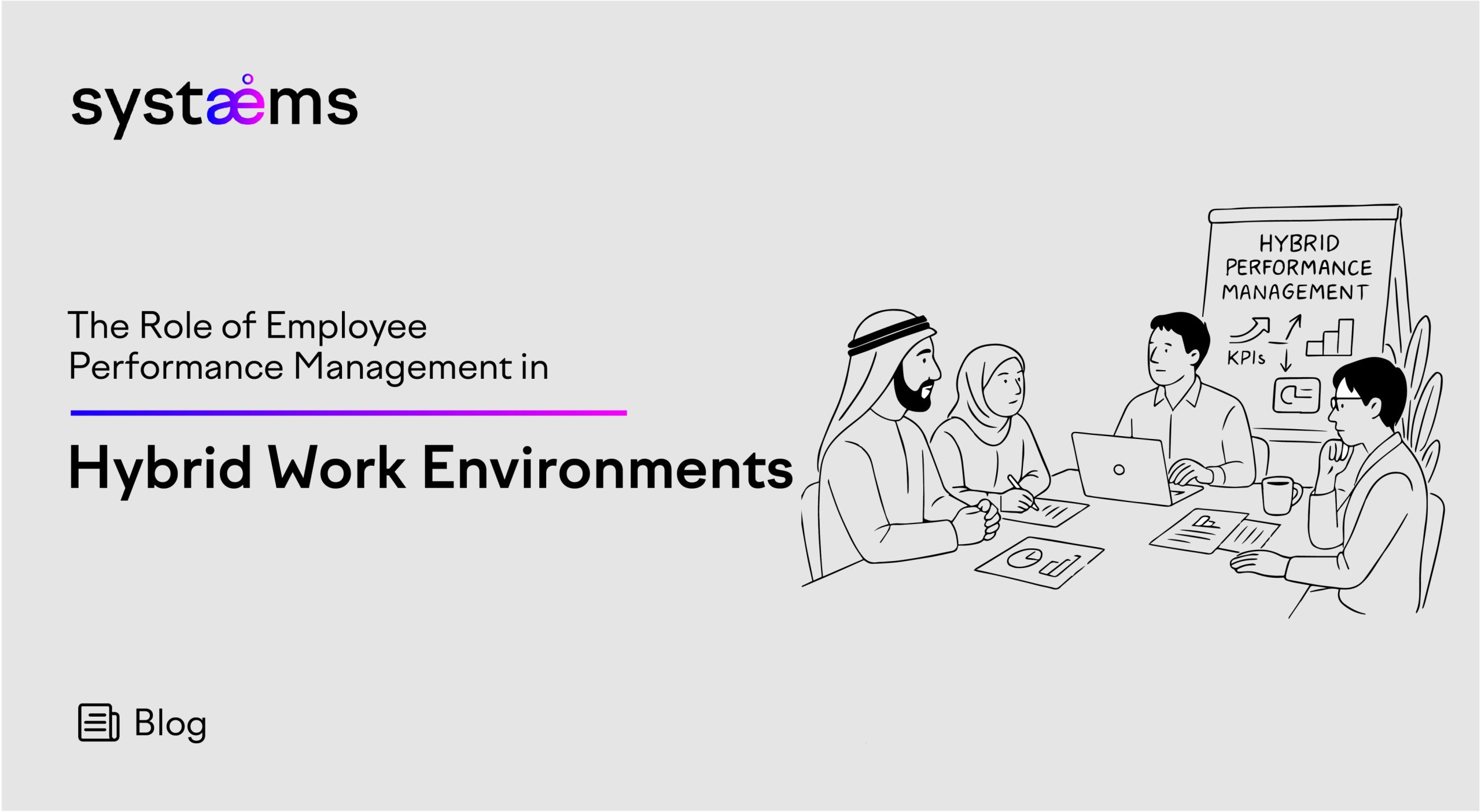
The rise of hybrid work models has transformed how organizations measure, monitor, and improve employee performance. Remote and in-office employees require flexible performance management systems that maintain accountability while fostering engagement, collaboration, and productivity.
Effective employee performance management in hybrid environments ensures that strategic objectives are met without compromising employee experience. This article explores best practices, implementation strategies, and the benefits of adapting performance management to hybrid work models.
Hybrid work introduces unique challenges to traditional performance management frameworks:
Organizations that fail to adapt risk reduced productivity, decreased engagement, and misaligned performance outcomes.
Adopting hybrid-friendly performance management systems can turn these challenges into opportunities for innovation and improved organizational resilience.
1. Outcome-Focused KPIs
Traditional metrics such as hours worked or tasks completed are less relevant in hybrid environments. Instead, KPIs should focus on measurable outcomes aligned with organizational objectives.
2. Continuous Feedback and Communication
Regular check-ins and real-time feedback replace annual or semi-annual reviews. Managers can leverage technology to provide guidance, recognize achievements, and address performance gaps.
3. Data-Driven Insights
Hybrid work generates vast amounts of data from employee activities, collaboration tools, and project outcomes. Leveraging AI and analytics enables managers to identify trends, assess engagement, and forecast performance risks.
4. Adaptive Performance Management Frameworks
Hybrid teams require flexible systems that accommodate diverse work styles, time zones, and responsibilities.
5. Employee Engagement and Well-Being
A holistic approach considers both productivity and employee experience. Engagement surveys, wellness initiatives, and professional development programs ensure that remote and in-office employees remain motivated and committed.
6. Monitor, Refine, and ScaleContinuously evaluate the effectiveness of hybrid performance frameworks and adjust KPIs, tools, and processes as needed.
Leading companies demonstrate the effectiveness of hybrid performance management. Google, for instance, implemented outcome-focused KPIs and continuous feedback across its hybrid workforce. Using real-time dashboards and AI-assisted analytics, the company enhanced productivity, engagement, and alignment with corporate goals (source, source).
Similarly, professional services firms have adopted AI-enabled dashboards to track remote employee contributions and project milestones, aligning hybrid work performance with strategic goals.
Organizations that implement these best practices can achieve a high-performing hybrid workforce while maintaining employee satisfaction and alignment with corporate strategy.
The hybrid work model requires organizations to rethink employee performance management. By adopting outcome-focused KPIs, leveraging data-driven insights, implementing flexible frameworks, and fostering engagement, companies can maintain productivity, accountability, and strategic alignment in dispersed teams.
Organizations ready to enhance hybrid performance management can combine structured KPIs, advanced analytics, and continuous feedback mechanisms to ensure success.
👉 Explore how your organization can build a performance-driven hybrid workforce by contacting Systaems today.
3. Deloitte Insights – Reimagining Performance Management for Hybrid Work
https://www2.deloitte.com/us/en/insights/focus/human-capital-trends/2021/hybrid-work-performance-management.html
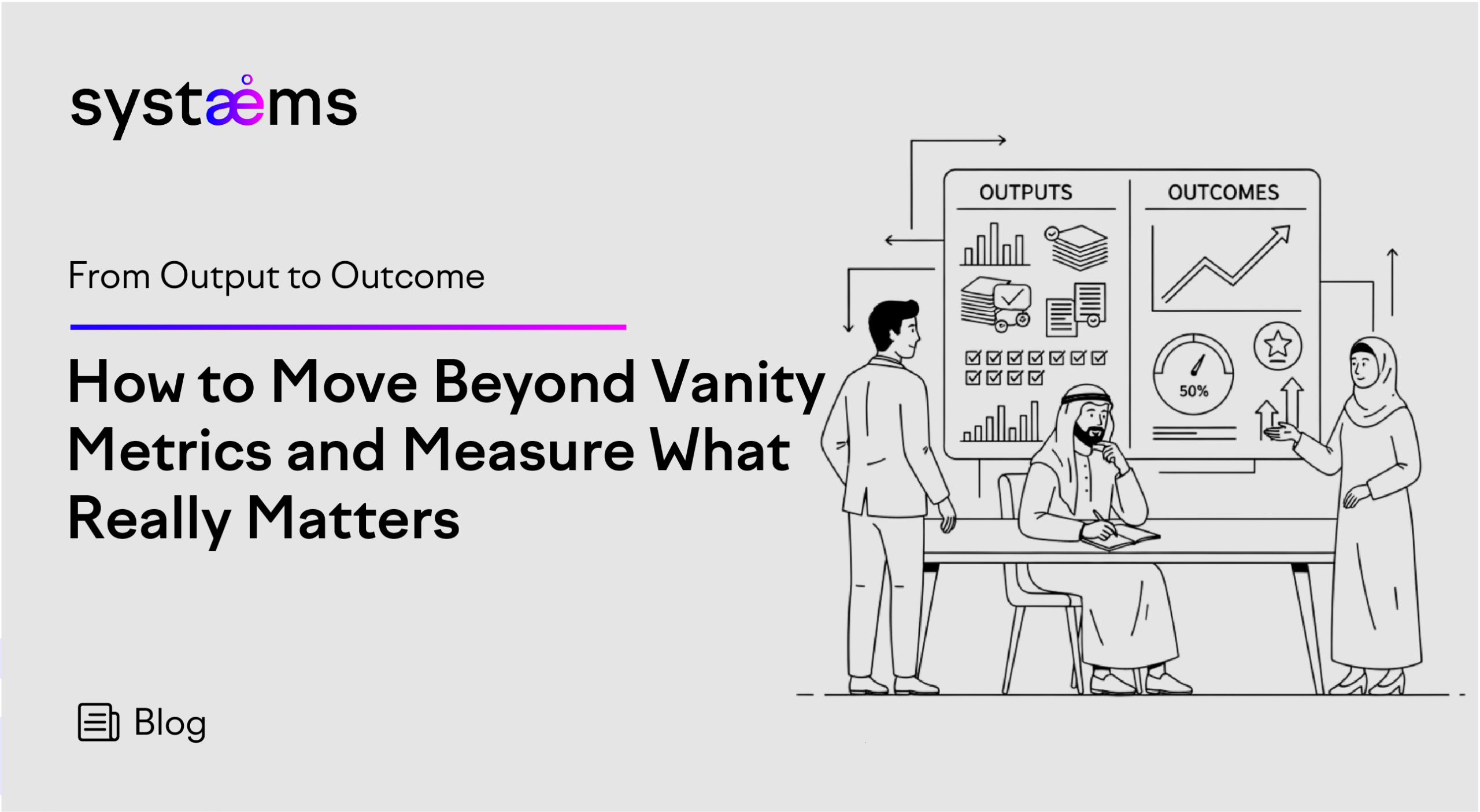
Shift focus from vanity metrics to outcome-driven measurement for impactful organizational performance.
Integrate sustainability, ESG, and responsible AI into risk, compliance, and reputation strategies.
Ensure alignment between corporate vision and operational actions with structured performance frameworks